Rising Tensions Around Iran Spark Global Concern

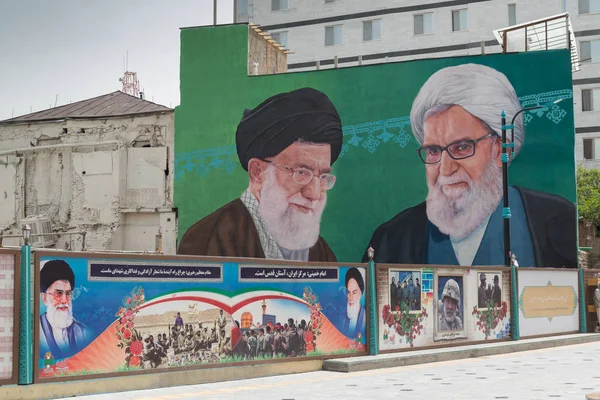
The situation in Iran has become one of the most closely watched international issues in recent weeks. Escalating tensions involving Iran, the United States, and Israel have triggered widespread concern among global leaders and analysts, who fear the conflict could develop into a larger regional war affecting the entire Middle East.
Military actions and retaliatory strikes have intensified across several areas of the region. Reports indicate that both sides have launched air and missile attacks targeting military infrastructure, which has raised alarm about the possibility of prolonged conflict and increased instability throughout neighboring countries.
Iran-backed militias have also increased attacks against U.S. and Israeli interests across the Middle East. Armed groups operating in countries such as Iraq and Lebanon have launched strikes on military bases and strategic facilities, expanding the confrontation beyond Iran’s borders.
The conflict is not only a military issue but also an economic one. Analysts warn that prolonged fighting could significantly damage Iran’s already fragile economy, which has been weakened for years by sanctions, inflation, and declining currency value.
In addition, the crisis has major implications for global energy markets. Iran sits near the Strait of Hormuz, one of the most important shipping routes for oil in the world. Any disruption in this area could affect the supply of energy to many countries and drive oil prices higher.
Some economic experts believe that a long conflict could push oil prices above 100 dollars per barrel. Such a surge would likely increase inflation worldwide and create further instability in global financial markets already facing uncertainty.
The effects of the crisis are already visible in global energy trade. Rising oil prices have increased demand for alternative suppliers, including Russia, which has seen a surge in exports as countries seek to replace disrupted supplies from the Middle East.
Inside Iran, the government also faces internal challenges. Economic hardship, high inflation, and political tensions have contributed to protests and social unrest in recent years, creating additional pressure on the country’s leadership.
International organizations and world leaders have called for restraint and diplomatic dialogue. Many countries worry that further escalation could destabilize the broader Middle East and disrupt international trade and transportation routes.
As the conflict continues to evolve, the global community is closely monitoring developments. The outcome of the situation in Iran will likely shape geopolitical relations, energy markets, and regional security for years to come.
What's Your Reaction?