Trump Signals Frustration With Iran as Diplomatic Efforts Struggle to Prevent Escalation
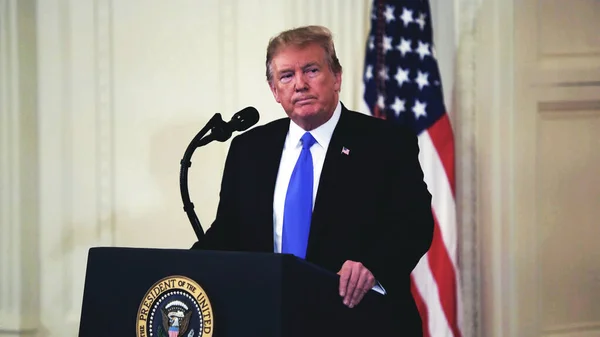
After high-stakes negotiations in Geneva ended without an agreement, President Trump publicly expressed dissatisfaction with Iran’s position on its nuclear program. He emphasized that Tehran had not offered the concessions Washington considered essential, making clear that progress remained insufficient despite days of intense discussions between delegations.
Although clearly frustrated, Trump stopped short of announcing immediate military action. He reiterated that he preferred avoiding armed conflict, yet acknowledged that force sometimes becomes unavoidable. His remarks marked the first official response from the United States after talks collapsed without delivering a breakthrough.
Mounting anxiety over possible American airstrikes quickly spread across the region. Several governments issued urgent travel advisories warning their citizens of heightened risks. The uncertainty surrounding Washington’s next move contributed to diplomatic tension far beyond the negotiating table.
The United Kingdom temporarily withdrew staff from its embassy in Tehran and cautioned against all but essential travel to Israel. Meanwhile, China, India, and Canada urged their nationals to depart Iran promptly due to fears of potential hostilities.
Germany strongly advised against travel to Israel, while France reiterated its longstanding warning discouraging visits. The United States also instructed its citizens in Iran to leave immediately. In Israel, American diplomatic personnel and their families were given permission to depart if they chose, particularly while commercial flights remained available.
Tensions escalated further as Washington reinforced its military presence across the Middle East. The administration ordered what officials described as the largest regional build-up since the 2003 Iraq invasion, deploying aircraft carriers, fighter jets, and additional troops. Tehran responded defiantly, warning it would retaliate forcefully if attacked.
American officials and their allies continue to suspect Iran is edging closer to developing a nuclear weapon. Tehran firmly denies those allegations, insisting its uranium enrichment program serves peaceful civilian purposes. However, enrichment levels approaching weapons-grade have intensified skepticism and alarmed Western governments.
Oman’s Foreign Minister, Badr Albusaidi, who has been mediating the negotiations, suggested there were still reasons for cautious optimism. He stated that Iran had agreed not to stockpile enriched uranium, arguing this commitment significantly reduces the risk of weaponization and makes the enrichment dispute less central.
Despite reported “good progress” from Iran’s delegation leader, Abbas Araghchi, substantial differences remain unresolved. The International Atomic Energy Agency has also raised concern after being denied access to enrichment sites, underscoring the fragile state of diplomacy. Whether negotiations resume successfully or tensions spiral toward confrontation now depends largely on decisions made in Washington and Tehran in the coming days.
We are committed to delivering accurate, balanced, and reliable news without external influence. Your support allows us to remain independent and continue producing high-quality reporting.
If you value our work, please consider making a donation:
???? Donate via PayPal: Donation
What's Your Reaction?