Lebanon on the Brink: War, Humanitarian Crisis, and Economic Collapse in 2026
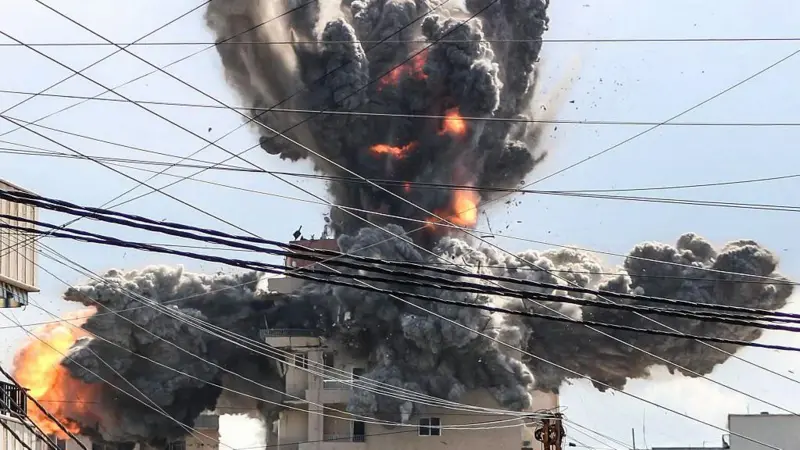
Lebanon is currently facing one of the most severe crises in its modern history, driven by escalating conflict, political instability, and economic collapse. The ongoing war between Israel and Hezbollah has intensified since early 2026, pushing the country into a dangerous and uncertain situation.
The conflict has resulted in widespread destruction across southern Lebanon and even parts of Beirut, with continuous airstrikes and rocket attacks affecting civilian areas. Reports indicate that thousands of people have been killed, while many others have been injured in ongoing violence.
As the war continues, mass displacement has become a major issue, with nearly one million people forced to leave their homes due to insecurity and destruction. This represents a significant portion of Lebanon’s population and has overwhelmed shelters and humanitarian resources.
The healthcare system in Lebanon is also under extreme pressure, with hospitals struggling to treat the growing number of casualties. The World Health Organization has warned that essential medical supplies, including trauma kits and medicines, could run out within days if the situation continues.
In addition to the humanitarian crisis, Lebanon’s economy is collapsing further as the conflict disrupts markets, trade, and basic services. Economic analysts predict that the country’s GDP could contract by up to 16 percent in 2026, deepening poverty and unemployment nationwide.
Food insecurity is rapidly worsening across the country, particularly in conflict-affected regions where markets have stopped functioning. Even before the recent escalation, hundreds of thousands of people were already struggling to meet their daily food needs.
Political tensions within Lebanon are also rising, especially regarding the role of Hezbollah in the conflict. The Lebanese government has taken unprecedented steps by declaring Hezbollah’s military actions illegal, reflecting growing internal divisions and public frustration.
On the international stage, diplomatic efforts to resolve the crisis remain fragile and uncertain, as regional tensions involving Iran, the United States, and Israel continue to influence developments in Lebanon. Peace talks are ongoing, but disagreements over key issues threaten to prolong the conflict.
Overall, Lebanon stands at a critical crossroads, facing simultaneous challenges of war, humanitarian disaster, and economic collapse. Without urgent international intervention and a sustainable political solution, the situation risks deteriorating even further in the coming months.
What's Your Reaction?